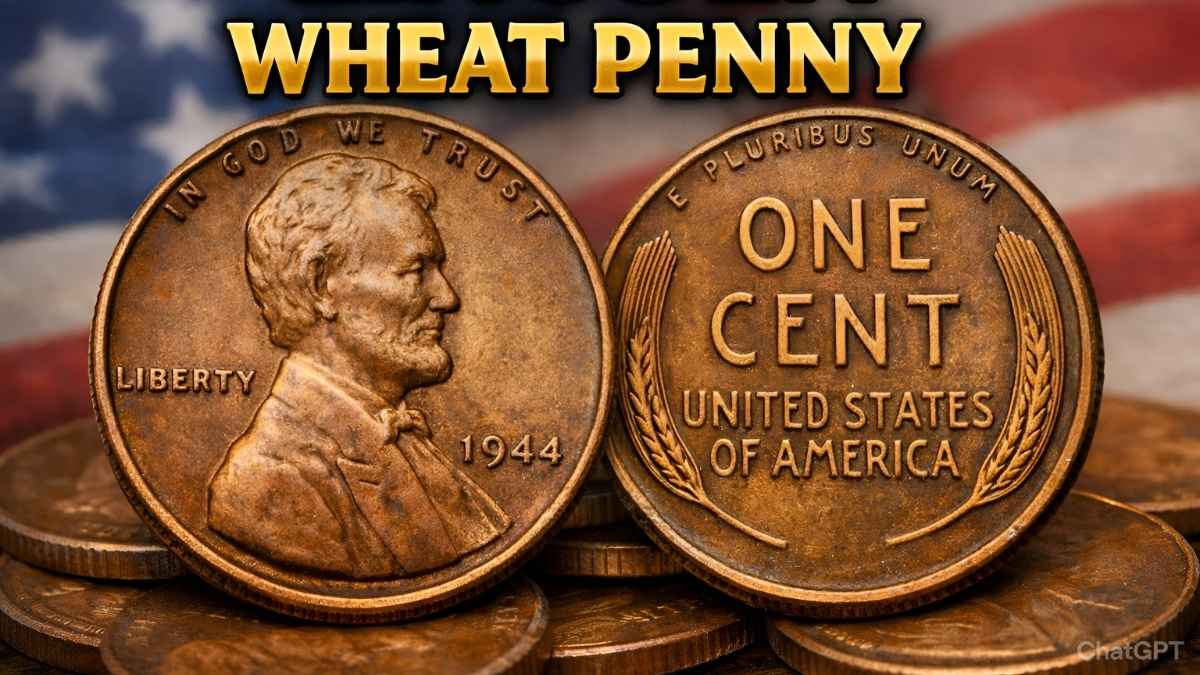
Lincoln Wheat Penny: The Lincoln Wheat Penny was first introduced in 1909 to commemorate the centennial of Abraham Lincoln’s birth. Designed by Victor David Brenner, the coin featured Lincoln’s profile on the obverse and two wheat stalks on the reverse, symbolizing prosperity and growth. It was the first widely circulated American coin to honor a real person, and it quickly became a cornerstone of U.S. coinage. Produced until 1958, the Wheat Penny remains one of the most beloved coins among collectors.
Why the Wheat Penny Became Legendary
Although millions of Wheat Pennies were minted over the decades, certain issues stand out due to rarity, minting errors, or historical context. Coins with low mintage numbers, unusual variations, or pristine condition are especially prized. Some rare dates, such as the 1909 S VDB and the 1914 D, have long been considered treasures. Over time, stories of hidden hoards and jackpot discoveries have fueled the mystique surrounding the Wheat Penny series.
The Rumored $200 Million Fortune
Among the most captivating tales in numismatics is the rumor of a Lincoln Wheat Penny discovery allegedly worth $200 million. The story suggests that a collection of rare Wheat Pennies, possibly including minting errors and high-grade specimens, was uncovered and valued at this staggering amount. While such claims are difficult to verify, they highlight the allure of rare coins as both historical artifacts and financial assets. Even if exaggerated, the rumor underscores the passion and intrigue that surround coin collecting.
The Role of Condition and Grading
The value of any coin depends heavily on its condition. Professional grading services assess coins on a scale from 1 to 70, with higher numbers indicating better preservation. A Wheat Penny in mint state condition, especially with sharp details and minimal blemishes, can command significant prices. Coins with proof-like surfaces or unique errors are even more desirable. If a large cache of such coins exists, their collective value could indeed reach extraordinary levels.
Auction Records and Market Trends
Auction houses have seen remarkable results when rare Wheat Pennies come under the hammer. Certain dates and mint marks have sold for tens of thousands of dollars per coin. Market trends show that demand for high-grade coins continues to grow, fueled by both seasoned collectors and new investors seeking tangible assets. The possibility of a massive hoard only intensifies interest in the Wheat Penny series.
Historical Significance Beyond Value
Beyond monetary worth, the Lincoln Wheat Penny represents a tangible link to America’s past. It reflects the artistry of Victor David Brenner, the cultural reverence for Abraham Lincoln, and the economic shifts of the early 20th century. Collectors often view these coins not just as investments but as pieces of history that tell stories of commerce, craftsmanship, and national pride. The rumored fortune adds a layer of mystery, making the coin even more captivating.

Separating Myth from Reality
It is important to distinguish between myth and reality in the world of numismatics. While the idea of a $200 million fortune tied to the Wheat Penny is captivating, actual valuations depend on verifiable data. Coin experts caution against inflated claims, emphasizing the need for transparency and authentication. Nevertheless, myths often play a role in sustaining enthusiasm, drawing attention to coins that might otherwise be overlooked.
The Future of the Lincoln Wheat Penny
As time passes, the Lincoln Wheat Penny will likely continue to gain prestige. Advances in grading technology, increased global interest in collectibles, and the enduring appeal of Lincoln’s legacy all contribute to its rising profile. Whether or not the rumored fortune exists, the coin remains a cornerstone of American numismatic heritage. Its legacy is secure, both as a collectible and as a symbol of the enduring fascination with rare treasures.