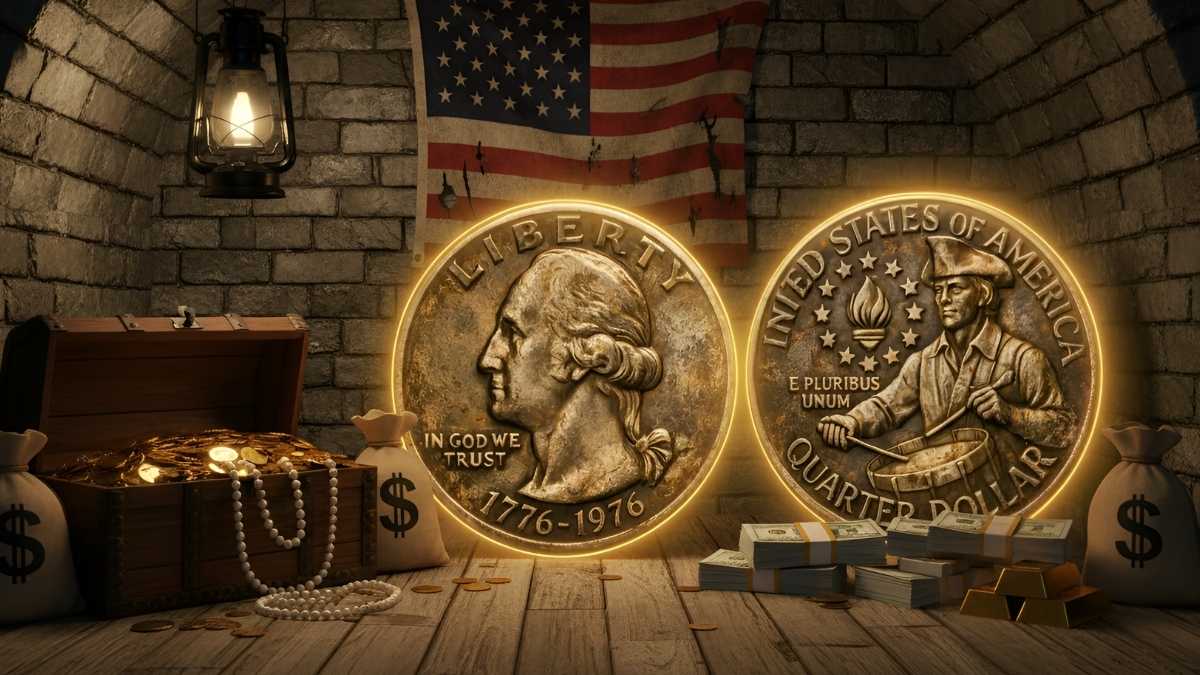
1976 Walking Liberty Half Dollar Value: The Walking Liberty Half Dollar is one of the most admired designs in U.S. coinage. Created by sculptor Adolph A. Weinman, it was first issued in 1916 and remained in circulation until 1947. The design features Lady Liberty striding confidently toward the sunrise, draped in the American flag, symbolizing freedom and progress. The reverse depicts a majestic eagle perched on a mountain pine, representing strength and resilience.
The 1976 Connection
Although the Walking Liberty Half Dollar series officially ended in the 1940s, its design was revived in 1976 for special silver issues commemorating the nation’s bicentennial. Collectors often refer to these bicentennial silver coins as Walking Liberty halves because of their artistic heritage and patriotic symbolism. The year 1976 marked America’s 200th birthday, and the Mint produced special coins to celebrate, including silver half dollars that carried unique designs and limited mintages.
Why Collectors Value the 1976 Silver Half Dollar
The bicentennial silver half dollar is prized for several reasons. First, it was struck in 40 percent silver, giving it intrinsic value beyond its face denomination. Second, its commemorative design and limited production make it a standout among modern coins. Finally, coins preserved in pristine condition, especially proof strikes, are highly sought after by collectors who appreciate both artistry and rarity.
Rare Varieties and Premiums
Collectors pay premiums for coins that exhibit exceptional qualities. Proof versions of the 1976 silver half dollar, with mirror‑like surfaces and sharp details, command higher prices. Error coins, such as those with doubled dies or misaligned strikes, are even more valuable due to their rarity. High‑grade examples certified by professional grading services often sell for hundreds or even thousands of dollars, depending on demand and condition.
Market Value in 2026
In today’s numismatic market, common bicentennial half dollars may only be worth a modest premium over face value. However, rare varieties and high‑grade silver issues can command significant sums. Collectors are willing to pay substantial amounts for coins that combine historical significance, silver content, and pristine preservation. Some examples have reached values far beyond expectations, reflecting the strong demand in the coin market.
Collector Demand
The Walking Liberty design has long been a favorite among numismatists, and its revival in bicentennial coinage only increased its appeal. Collectors often seek complete sets of bicentennial coins, including the quarter, half dollar, and dollar. The half dollar, with its silver composition and striking design, is considered a centerpiece of these sets. Demand remains strong, particularly for coins in exceptional condition.
Investment Potential
Rare silver coins like the 1976 bicentennial half dollar are increasingly viewed as alternative investments. Their value is tied not only to their silver content but also to their rarity and historical importance. As interest in tangible assets grows, coins with unique stories and limited production runs become attractive to investors seeking diversification.
Cultural Legacy
The bicentennial half dollar is more than currency, it is a cultural artifact. It represents a moment of national pride and celebration, capturing the spirit of America’s 200th birthday. For collectors, owning one is not just about financial gain, it is about preserving a piece of history that connects generations.
Conclusion
The 1976 Walking Liberty Half Dollar, celebrated for its silver composition and patriotic design, continues to captivate collectors and investors alike. With rare varieties commanding premiums and pristine examples valued far beyond their face denomination, this coin proves that even modern commemoratives can hold immense worth. Its design, history, and rarity make it one of the most iconic treasures in American numismatics. The next time you explore a coin collection or examine pocket change, remember that a silver half dollar from 1976 could be more valuable than you ever imagined.